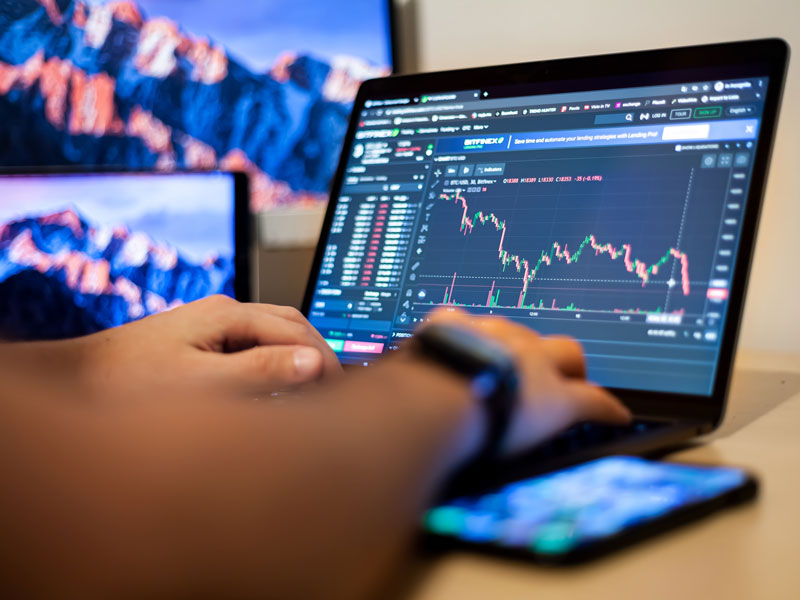
Forex trading, or foreign exchange trading, is the process of buying and selling currencies with the aim of making a profit. It is the largest financial market in the world, with an average daily trading volume exceeding $6 trillion. The beauty of forex trading lies in its accessibility and the opportunity it offers traders to profit from the ever-fluctuating exchange rates of different currencies. To get started, you can check out what is forex trading https://acev.io/ for valuable resources and tools.
Forex trading operates on a decentralized market, meaning that there is no central exchange where transactions are conducted. Instead, it consists of a global network of banks, financial institutions, corporations, and individual traders who buy and sell currencies on a continuous basis. The forex market operates 24 hours a day, five days a week, making it possible for traders to engage in trading activities at any time, regardless of their geographical location.
The Mechanics of Forex Trading
At its core, forex trading involves trading currency pairs. Each currency pair consists of two currencies: the base currency and the quote currency. The base currency is the first currency in the pair, while the quote currency is the second. For example, in the currency pair EUR/USD, the euro (EUR) is the base currency, and the US dollar (USD) is the quote currency. The exchange rate tells traders how much of the quote currency is needed to purchase one unit of the base currency.
When trading forex, a trader can either go long (buy) or go short (sell) on a currency pair. A long position indicates that the trader believes the base currency will strengthen against the quote currency, while a short position suggests that the trader expects the base currency to weaken. The difference between the buying and selling price of a currency pair is known as the spread, which is a key consideration for traders when executing trades.
Types of Orders
In forex trading, there are several types of orders that traders can use to execute their trades:
- Market Orders: A market order is executed immediately at the current market price. This type of order is useful when a trader wants to enter or exit a position quickly.
- Limit Orders: A limit order allows traders to set a specific price at which they want to buy or sell a currency pair. The trade will only be executed once the market reaches that predefined price.
- Stop-Loss Orders: A stop-loss order is designed to limit a trader’s losses by automatically closing a position when the market reaches a certain price level. This is crucial for managing risk in trading.
- Take-Profit Orders: Similar to stop-loss orders, take-profit orders allow traders to lock in profits by closing a position once the market reaches a specified profit target.
Factors Influencing Forex Prices
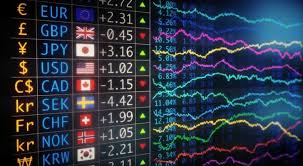
Several factors can impact the exchange rates of currencies. Understanding these factors is essential for traders who wish to make informed trading decisions:
- Economic Indicators: Economic data, such as Gross Domestic Product (GDP), employment figures, inflation rates, and trade balances, can significantly influence currency values. For instance, positive economic data may strengthen a currency, while negative data can lead to depreciation.
- Central Bank Policies: Central banks play a crucial role in the forex market by controlling monetary policy, interest rates, and inflation. Changes in interest rates or shifts in monetary policy can lead to volatility in currency exchange rates.
- Political Stability: The political landscape of a country can also affect its currency value. Political uncertainty or instability can lead to fluctuations in investor confidence and, consequently, currency prices.
- Market Sentiment: Traders’ perceptions and sentiments regarding the market can create momentum that drives currency prices up or down. Psychological factors can also play a significant role in forex trading.
Forex Trading Strategies
Successful forex trading requires the implementation of effective trading strategies. Various approaches can be used, depending on the trader’s risk tolerance and goals:
- Day Trading: This strategy involves opening and closing positions within the same trading day, aiming to capitalize on short-term price fluctuations. Day traders typically rely on technical analysis and charting tools to make quick trading decisions.
- Swing Trading: Swing traders hold onto their positions for several days or weeks, aiming to capture significant price movements. This approach allows for less frequent trading and can be beneficial for those with other commitments.
- Position Trading: Position traders take a long-term approach, holding positions for weeks, months, or even years. This strategy focuses on fundamental analysis and macroeconomic trends rather than short-term market movements.
- Scalping: Scalpers aim to make small profits from minor price changes by executing many trades within a short time frame. This strategy demands intense focus and a quick decision-making process.
The Role of Leverage in Forex Trading
One of the defining features of forex trading is the use of leverage. Leverage enables traders to control larger positions with a smaller amount of capital. For example, a trader with a leverage ratio of 100:1 can control a position worth $10,000 with just $100 in their trading account. While leverage can amplify profits, it also increases the potential for losses, making risk management imperative for forex traders.
Risks Involved in Forex Trading
Like any investment endeavor, forex trading comes with its risks. Here are some common risks traders may encounter:
- Market Risk: The value of currencies can fluctuate rapidly due to various factors, which can lead to significant losses.
- Leverage Risk: While leverage can enhance potential profits, it also increases the risk of substantial losses. Traders must understand the implications of using leverage.
- Liquidity Risk: In some instances, especially in less-traded currency pairs, a trader may not be able to execute an order at the desired price, leading to a delay and potential loss.
- Psychological Risk: Emotional decision-making can lead to poor trading choices. Traders must be disciplined and uphold a strict trading plan.
Conclusion
Forex trading is a dynamic and exciting market that provides ample opportunities for traders willing to learn and adapt. Understanding currency pairs, market mechanics, and the various factors influencing exchange rates is essential for success in this complex environment. Moreover, employing effective trading strategies, managing risks wisely, and staying informed about global economic developments can significantly enhance a trader’s chances of success in the forex market. Whether you are a beginner or an experienced trader, continuous education, practice, and a commitment to disciplined trading are keys to navigating the world of forex successfully.