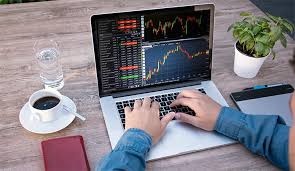
Forex trading, also known as foreign exchange trading, has garnered immense popularity across the globe as an accessible investing option. As the largest financial market in the world, forex transactions exceed $6 trillion in daily trading volume. With such a diverse array of currencies and trading styles, understanding the fundamentals of forex trading is essential for any potential trader. You can learn more by visiting forex trading foreign exchange market https://trading-asia.com/.
What is Forex Trading?
Forex trading involves the buying and selling of currencies in pairs, such as the Euro and US Dollar (EUR/USD), in order to profit from changes in exchange rates. Unlike traditional stock markets, the forex market operates 24 hours a day, five days a week, allowing traders to participate from anywhere in the world at any time.
How Does the Forex Market Work?
The forex market is decentralized, meaning that it doesn’t have a physical location or centralized exchange like the New York Stock Exchange (NYSE). Instead, it operates through a global network of banks, brokers, and institutions. This decentralized nature allows for high liquidity and makes it possible for traders to execute trades quickly and efficiently.
Currency Pairs
In forex trading, currencies are traded in pairs. A currency pair consists of a base currency and a quote currency. The base currency is the first currency listed in the pair, while the quote currency is the second. For example, in the currency pair EUR/USD, the Euro is the base currency, and the US Dollar is the quote currency. Traders buy a currency pair if they believe the base currency will strengthen against the quote currency, and they sell it if they expect the opposite.
Major Currency Pairs
Major currency pairs are the most widely traded and include:
- EUR/USD (Euro/US Dollar)
- USD/JPY (US Dollar/Japanese Yen)
- GBP/USD (British Pound/US Dollar)
- USD/CHF (US Dollar/Swiss Franc)
Types of Forex Analysis
Traders use various forms of analysis to make informed trading decisions. The three primary types of analysis are:
1. Fundamental Analysis
Fundamental analysis involves evaluating a currency’s value by examining economic indicators, news events, and geopolitical developments. Key indicators include interest rates, inflation, employment rates, and Gross Domestic Product (GDP) growth. Traders look for news releases that might affect currency values, such as central bank decisions or economic reports.
2. Technical Analysis
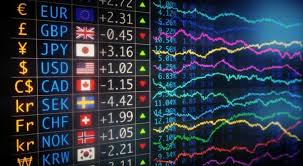
Technical analysis relies on historical price data and chart patterns to predict future price movements. Traders utilize various tools, such as support and resistance levels, trend lines, and technical indicators (like moving averages and RSI) to identify potential trading opportunities.
3. Sentiment Analysis
Sentiment analysis assesses the market’s overall mood or sentiment towards a specific currency. Traders analyze factors such as the Commitment of Traders (COT) report and market surveys to gauge whether traders are bullish or bearish on a currency pair.
Forex Trading Strategies
Having a solid trading strategy is crucial for success in forex trading. Here are some popular strategies that traders often employ:
1. Day Trading
Day trading involves opening and closing positions within the same trading day. Day traders capitalize on short-term price fluctuations and often use technical analysis to make quick decisions.
2. Swing Trading
Swing traders hold positions for several days to capture price swings. This strategy requires a good understanding of technical analysis and typically involves fewer trades compared to day trading.
3. Scalping
Scalping is a high-frequency trading strategy that focuses on making small profits from numerous trades throughout the day. Scalpers often rely on leveraging high volumes of trades and take advantage of minor price movements.
Risk Management in Forex Trading
Effective risk management is vital in forex trading to protect your capital. Here are some essential risk management techniques:
1. Use Stop-Loss Orders
Stop-loss orders automatically close your position when a currency reaches a certain price level, limiting your losses. Setting a stop-loss order is crucial to manage risk effectively.

2. Position Sizing
Determining the appropriate position size based on your trading account and risk tolerance can help prevent significant losses. It’s advisable to risk only a small percentage of your capital on each trade.
3. Diversification
Diversifying your portfolio by trading different currency pairs can help spread risk. Avoid putting all your capital into a single trade or trade type.
Choosing a Forex Broker
Selecting the right forex broker is crucial for your trading success. Here are some factors to consider:
1. Regulation
Ensure that your broker is regulated by a reputable authority, such as the Financial Conduct Authority (FCA) in the UK or the Commodity Futures Trading Commission (CFTC) in the US. This provides a level of protection for your investments.
2. Trading Platforms
Your broker should offer a user-friendly trading platform that supports the tools and features you need to execute your strategy effectively.
3. Spreads and Commissions
Consider the spreads (the difference between the buying and selling price) and commissions charged by the broker, as these can impact your profitability.
The Future of Forex Trading
The forex market continues to evolve with advancements in technology, including algorithmic trading and artificial intelligence. These innovations are making trading more accessible and efficient. Furthermore, the rise of cryptocurrencies is introducing new dynamics to the global financial landscape.
Conclusion
Forex trading offers a myriad of opportunities for traders seeking to profit from currency fluctuations. Understanding the mechanisms of the forex market, employing effective strategies, and practicing robust risk management are key components for successful trading. As you embark on your forex trading journey, remember to continue learning and adapting to changes in the market. Whether you’re a novice or an experienced trader, there are always new facets to explore within the vast world of forex trading.