
Understanding Forex Trading: The Role of Online Brokers
In the world of finance, Forex trading has emerged as one of the most dynamic and lucrative markets. Unlike traditional stock markets that operate within specific hours, Forex trading takes place 24/5, enabling traders to operate anytime. Among the key players in this vibrant landscape are forex trading online broker India Brokers, which provide traders with access to the foreign exchange market. This article delves into the essentials of forex trading, the functionalities of online brokers, and how to navigate this complex system effectively.
What is Forex Trading?
Forex, or foreign exchange, refers to the global marketplace for trading national currencies against one another. This market is the largest financial market in the world, with a daily trading volume exceeding $6 trillion. Forex trading involves buying one currency while simultaneously selling another, which is why it operates in currency pairs, such as EUR/USD or GBP/JPY.
The Role of Online Brokers
Online brokers play a crucial role in enabling retail traders to participate in the Forex market. They act as intermediaries between traders and the interbank market, where currencies are traded among large institutions and banks. Here are some key functions of online brokers:
- Access to Market: Online brokers provide traders with platforms to access the Forex market, allowing them to execute trades easily and efficiently.
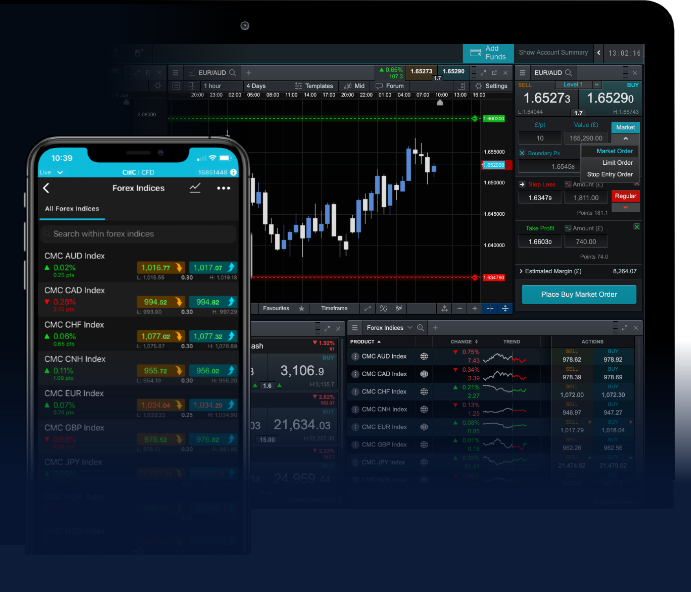
- Trading Tools: Most brokers offer a suite of trading tools, including charts, analysis tools, and economic calendars, that help traders make informed trading decisions.
- Leverage: Brokers allow traders to use leverage, which means they can control larger positions than their actual capital would allow, increasing both potential returns and risks.
- Educational Resources: Many online brokers provide educational materials and resources to help new traders understand Forex trading and develop their skills.
Choosing the Right Online Broker
With a plethora of online brokers available, choosing the right one can be overwhelming. Here are several factors to consider when selecting an online broker:
- Regulation: Ensure that the broker is regulated by a reputable authority. Regulation helps protect your funds and ensures fair trading practices.
- Trading Platform: Evaluate the trading platform offered by the broker. It should be user-friendly, reliable, and equipped with necessary trading tools.
- Fees and Spreads: Look at the broker’s fee structure, including spreads and commissions. Low costs can significantly impact your overall profitability.
- Support: Good customer support is essential, especially for beginners. Check if the broker offers multiple channels of support, like live chat, email, and phone.
- Account Types: Different traders have varying needs. Some brokers offer different account types catering to various trader levels, from beginners to professionals.
The Benefits of Forex Trading
Forex trading has gained immense popularity for several reasons. Here are some of the main benefits:
- High Liquidity: The Forex market is known for its high liquidity, which allows for quick buying and selling of currencies.
- Accessibility: Forex trading is accessible to anyone with an internet connection, making it possible for a vast array of individuals to participate.
- Potential for High Returns: Due to the high volatility of currency pairs, traders can achieve significant profits in relatively short periods.
- Flexible Trading Hours: Unlike the stock market that has specific hours, the Forex market operates 24 hours a day, five days a week, allowing traders to operate at their convenience.
The Risks of Forex Trading
While Forex trading offers numerous advantages, it is not without its risks. Here are some of the primary risks associated with trading currencies:
- Market Volatility: The Forex market can be extremely volatile, leading to potential losses if trades are not executed properly.
- Leverage Risks: While leverage can amplify profits, it can also magnify losses, leading to significant financial risks.
- Lack of Regulation: Some brokers operate without full regulations, which can pose risks for traders. It’s essential to select regulated brokers.
- Emotional Trading: Trading can lead to psychological stress, and decisions driven by emotions can negatively affect trading performance.
Conclusion
Forex trading offers substantial opportunities for traders willing to put in the time to learn and practice. Working with a reliable online broker is essential, as they provide the necessary tools, support, and access to the market. By understanding the roles and responsibilities of brokers, as well as the dynamics of the Forex market, traders can navigate this complex world more effectively. Remember that while the potential for profit is significant, so are the risks. Always trade responsibly and consider acquiring education and experience before diving into Forex trading.